





As of March 2, 2026, Iran faces a defining moment shaped by escalating regional tensions, a historic leadership transition, deep economic strain, and complex reactions across its diverse ethnic and religious communities.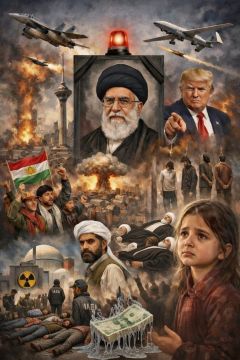 As of the last week of February and March 2, 2026, Iran is going through one of the most critical periods in its recent history, marked by simultaneous external military tensions and internal political uncertainty. Rising friction along the U.S.–Israel axis and increasingly sharp rhetoric have heightened the risk of a broader regional confrontation, while statements by Donald Trump regarding military operations have intensified international pressure. Diplomatic messages from European and Gulf states have further reinforced the sense of political strain surrounding Tehran. Domestically, the most significant turning point has been the death of Supreme Leader Ali Khamenei. The development has led to both large-scale mourning ceremonies and anti-government protests in major cities. Uncertainty persists over how the leadership transition will unfold and what role key power centers will play. Meanwhile, the ongoing economic crisis—marked by high inflation and a weakened national currency—continues to fuel public discontent. From an ethnic and sectarian perspective, reactions vary across regions. In Kurdistan Province, developments have been met with a more critical and politically charged response. Security measures have reportedly increased, while Kurdish political circles have emphasized solidarity and coordination. This period may create space for stronger dialogue and cooperation among different Kurdish groups, with civil society and local initiatives promoting greater cultural and political cohesion—seen by some as a potentially positive dynamic for internal consolidation. In the northwestern provinces where the Azeri population is concentrated, a more cautious approach stands out. While rhetoric emphasizing ties to central authority remains strong, economic hardship has also contributed to underlying concern. In the southeast, where the Baloch population resides, security policies appear to have tightened further, bringing longstanding socioeconomic grievances and Sunni minority sensitivities back into focus. Structural inequalities and security-centered governance have made preexisting tensions more visible. Other minority communities and religious groups—including Sunni Arabs, Turkmen, Armenians, Assyrians, and Baha’is—are largely observing developments with caution. For many religious minorities, periods of political uncertainty represent both risk and the potential for reform, depending on how the transition process evolves. At the international level, the nuclear file remains a central pressure point. The International Atomic Energy Agency (IAEA) has stated that it cannot provide full assurance regarding Iran’s enriched uranium stockpile under current verification conditions. The combination of military tensions, leadership transition, economic strain, and ethnic sensitivities places Iran at a pivotal moment for both domestic stability and foreign policy direction. |
218 kez okundu |
Yorumlar |
| Henüz yorum yapılmamış. İlk yorumu yapmak için tıklayın |